Today I had the curiosity to check the Euromonitor figures for these European countries that suffer the current crisis in its most severe form. I’d like to share some of them with you (from smallest size market to largest). The data are from 2011.
PORTUGAL: 1318 Tons. Up 1% in value from 2010 but expected to stay at 0% growth until 2016 (the maximum range of Euromonitor’s study). The main brand is Trident and the market is largely dominated by Cadbury (63%), followed at distance by Wrigley (13%) and the local producer Lusiteca (4%).
IRELAND: 2130 T. Up 2% both in value and volume from 2010. Expected growth of 1% per year until 2016. The top brand is Extra and in this case the market is clearly dominated by Wrigley (86%), with some minor shares for Cadbury (3%), Zed Candy (1%), Tesco (0,6%), Adams (0,5%) and Topps (0,1%). A special note about the products from Zed Candy, which are very original and shocking.
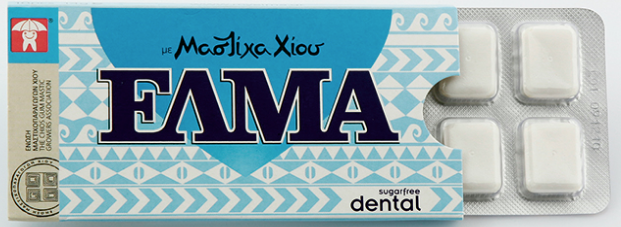
GREECE: 3025 T. Down 9% in volume from 2010 and a decrease of 3% is expected in the studied period. Here the main brand is Trident and the market leader Cadbury with 59%. Then we find Wrigley (20%), Perfetti (13%), Elma SA (5,4%) and Sarsantis with 0,9%. This is clearly the country where we find the worse results, and it is as well where the economic situation seems to be the worse.
SPAIN: 13038 Ton in 2011 with 2% decrease in volume and value. However the expectations are more positive with a growth of 2%. Number one brand is Trident and here there is a tight fight for the largest market share, being Cadbury (43%) and Wrigley (42%). Then we find Perfetti (4,2%) and local producers such as Fleer (2,2%) and Damel (0,1%).
ITALY: with 18322 T is the largest market and one traditionally dominated by the local multinational Perffetti (94% market share!). Not much room left for the others, with only Wrigley accounting for a 2,3%. Number one brand is, of course, a Perfetti one: Vivident. The market has grown 2% in volume since 2010 and a small 1% growth is expected from now on.
We do not find many similarities, as each country has its own players, trends and dynamics. The only common trend that I found is also found in many other developed markets, which is the increase of sugarfree and functional products, that are keeping the market alive, in opposition to bubble gum and sugared gum which decreases more and more its presence. We can also look at the trend of smaller packages (which I discussed in a previous posting) and also some differences noticed at the point of sale, regarding the consideration of gum as impulse product.